Protect Bones & Muscles with Vitamin D3
The Silent Guardian of Your Skeleton
Vitamin D3 isn’t just another nutrient on the label—it’s a biochemical maestro orchestrating one of your body’s most vital functions: maintaining robust bone health. Often overlooked, this fat-soluble vitamin plays a non-negotiable role in calcium absorption, ensuring your bones remain dense, resilient, and fracture-resistant. With increasingly indoor lifestyles and seasonal sunlight fluctuations—especially in northern areas like Seattle, Boston, or Minneapolis—many adults unknowingly operate with suboptimal levels, silently compromising their skeletal strength.
Unlike other vitamins, D3 functions more like a hormone, influencing everything from bone remodeling to immune modulation. It activates proteins that pull calcium from your diet into the bloodstream, where it can be deposited into the bone matrix. Without sufficient D3, even a calcium-rich diet falls short, leaving bones vulnerable to weakening over time. This is especially critical for aging adults, postmenopausal women, and those with limited sun exposure or darker skin tones, who naturally synthesize less D3 from UVB rays.
In this guide, you’ll uncover how consistent D3 support helps prevent fractures, supports long-term mobility, and enhances overall wellness. From dietary integration to smart supplementation and strategic sun habits, you’ll gain practical, science-backed strategies tailored to real-world living. Let’s dive into how this essential nutrient keeps your frame strong—year after year.
The Science Behind Vitamin D3: How It Strengthens Bones, Immunity, and Mood
Vitamin D3 isn’t just another supplement—it’s a biologically active hormone that plays a foundational role in maintaining multiple aspects of health. From reinforcing the skeletal system to modulating immune responses and influencing neurological function, its impact is both broad and profound. For individuals seeking to optimize long-term wellness, understanding how D3 functions at a physiological level can make all the difference.
When it comes to bone health, D3 enhances calcium absorption in the gut, ensuring that this critical mineral is available for bone mineralization. Without sufficient D3, the body can’t utilize calcium efficiently, leading to reduced bone density and increased fracture risk—especially in aging populations or those in northern U.S. regions like Seattle or Boston, where sunlight exposure drops significantly in winter.
In immune function, D3 helps regulate the activity of immune cells, supporting balanced responses to pathogens while reducing excessive inflammation. This is particularly valuable during seasonal changes when immune challenges are more common.
For mood regulation, emerging research highlights D3’s role in brain health, particularly in supporting neurotransmitter synthesis linked to emotional well-being. Individuals in high-latitude areas or those with limited outdoor activity may benefit from consistent D3 support year-round.
To maintain optimal levels, consider a combination of sensible sun exposure, dietary sources like fatty fish or fortified plant milks, and daily D3 supplementation—especially during fall and winter. Regular level checks can help tailor intake for individual needs.
Choosing Vegan-Sourced Vitamin D3: A Sustainable Choice for Plant-Based Lifestyles
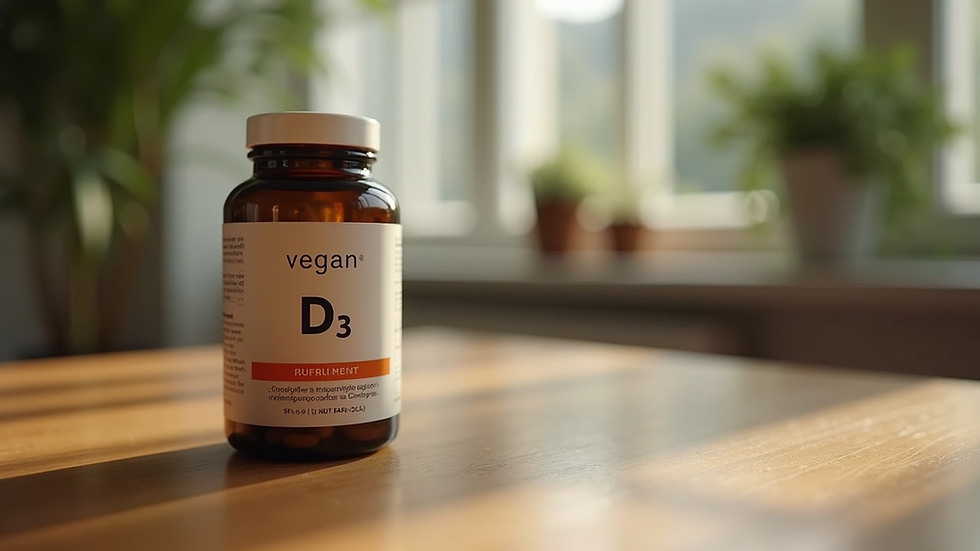
For individuals embracing a plant-based diet, maintaining optimal nutrient intake—especially when it comes to bone health—requires thoughtful supplementation. Traditional Vitamin D3 is often derived from lanolin, a substance extracted from sheep’s wool, making it incompatible with vegan values. That’s where vegan-sourced Vitamin D3 steps in as a game-changer, offering a cruelty-free, sustainable alternative that aligns with ethical and environmental priorities.
Derived from lichen—a resilient, sun-exposed organism—vegan D3 provides the same biologically active form of cholecalciferol (D3) as animal-based sources, ensuring effective support for calcium absorption and bone strength. This is particularly vital for residents in northern U.S. cities like Portland, Seattle, or Minneapolis, where limited sunlight during winter months reduces natural vitamin D synthesis.
Beyond personal health, choosing plant-based D3 contributes to broader sustainability goals. It reduces reliance on animal agriculture, lowers carbon footprint, and supports eco-conscious manufacturing practices. For those committed to holistic wellness, integrating a high-quality, vegan-certified D3 supplement into daily routines isn’t just about nutrition—it’s a conscious decision to support long-term skeletal resilience while honoring ethical lifestyle choices.
When shopping, look for certifications, non-GMO ingredients, and transparent sourcing to ensure purity and potency.
Choosing the Right Vitamin D3 Supplement: A Buyer’s Guide
Selecting a high-quality Vitamin D3 supplement is crucial for ensuring your body absorbs and utilizes this essential nutrient effectively. With so many options on the market, knowing what to look for can make all the difference in supporting long-term bone health and immune function.
Check for the D3 Form (Cholecalciferol) Always opt for Vitamin D3 over D2—D3 is more bioavailable and effective at raising serum levels. Look for “cholecalciferol” on the label to confirm potency.
Verify the Dosage per Serving Standard daily doses range from 800–2,000 IU for adults, but needs vary by age, geography, and sun exposure. Choose a product that allows flexible dosing so you can adjust based on seasonal changes or test results.
Look for Third-Party Testing and Certifications Seek supplements with verifications like NSF, USP, or Informed Choice. These indicate the product has been tested for purity, potency, and free from contaminants—especially important for residents in urban areas where supplement quality control matters.
Assess the Delivery Format D3 requires fat for absorption, so softgels, gummies, or liquid forms in oil-based carriers are ideal. If you have dietary restrictions, confirm the product is non-GMO, gluten-free, or vegan as needed.
Read Beyond the Front Label Examine the “inactive ingredients” for unnecessary additives, fillers, or allergens. A clean, transparent formula supports better tolerance and effectiveness over time.
Getting Your Vitamin D3 Questions Answered: Dosage, Sun, and Year-Round Wellness
How much Vitamin D3 do I really need each day? Daily Vitamin D3 needs vary by age, lifestyle, and location, but most adults benefit from 800–2,000 IU daily to maintain optimal levels. Those with limited sun exposure—especially in northern regions like Seattle or Boston—may require higher intake, particularly during winter. Always pair supplementation with fat-rich foods for better absorption.
Can I get enough Vitamin D3 from sunlight alone? Sun exposure helps your body synthesize Vitamin D, but effectiveness depends on skin tone, latitude, season, and time outdoors. In areas above 37° latitude, UVB rays are too weak for synthesis during winter months, making sunlight unreliable as the sole source.
What’s the best time of day for sun exposure to boost Vitamin D? Midday sun (10 a.m. to 3 p.m.) offers the strongest UVB rays. Aim for 10–15 minutes of direct exposure on arms, legs, or face several times per week. Darker skin tones may need longer exposure, while those in northern U.S. cities often require supplementation beyond summer months.
How often should I test my Vitamin D levels? Testing every 6–12 months is ideal, especially if you live in a low-sunlight region or notice signs of deficiency like fatigue or muscle weakness. Blood work reveals your 25-hydroxyvitamin D score—target 30–50 ng/mL for optimal function.
Is it possible to take too much Vitamin D3? Yes. Long-term intake above 4,000 IU daily may lead to toxicity, causing hypercalcemia. Stick to recommended doses unless guided otherwise by a healthcare provider, especially when combining supplements and fortified foods.
Making Vitamin D3 a Cornerstone of Lifelong Wellness
Consistent Vitamin D3 supplementation is far more than a seasonal habit—it's a vital component of sustained bone health, immune resilience, and overall vitality. As explored throughout this guide, maintaining optimal levels supports efficient calcium absorption, strengthens bone mineral density, and reduces the risk of fractures, especially in populations with limited sun exposure. Whether you live in northern cities like Seattle, Minneapolis, or Buffalo, where winter sunlight is insufficient for natural synthesis, or you follow a plant-based lifestyle that may limit dietary intake, proactive D3 support becomes even more critical.
The benefits extend beyond the skeleton: D3 plays a key role in muscle function, balance, and inflammation regulation, all of which contribute to greater mobility and reduced fall risk in aging adults. Instead of waiting for symptoms of deficiency to appear, take preventive action now. Start by assessing your current routine—consider daily supplementation with vegan-sourced D3, ideally taken with meals for enhanced absorption. Pair this with regular, safe sun exposure and fortified foods to build a comprehensive strategy.
For long-term success, retest levels periodically and fine-tune your intake. By treating Vitamin D3 as a non-negotiable part of your daily wellness ritual, you’re not just protecting your bones—you’re empowering a stronger, more active future. Take the next step today: review your habits, adjust as needed, and commit to optimal health year-round.

Comments