Understanding Your Vitamin D Needs
Energize Your Health Journey with Vitamin D
Unlock a new perspective on wellness by exploring the indispensable role of vitamin D in your overall health. Often referred to as the “sunshine vitamin,” it’s vital for robust bone strength and optimal immune function—key factors that support active living in bustling urban centers and local communities alike. In this opening section, we set the stage for a deeper dive into understanding how much vitamin D you actually need, addressing the common puzzle of balancing sun exposure, diet, and supplementation.
Here’s what you’ll discover as you read along:
How vitamin D contributes to calcium absorption for durable bones
Its impact on boosting immune defenses, vital during seasonal changes
Practical tips for integrating vitamin D into your daily routine, whether you’re in a metropolitan area or a smaller town
By the end of this guide, you’ll be equipped with actionable insights crafted around everyday scenarios. Embrace this journey toward a healthier you by learning how slight adjustments to your vitamin D intake can yield significant benefits for your energy, mood, and overall vitality.
Essential Daily Vitamin D Guidelines
Understanding the proper intake of vitamin D is crucial for maintaining a robust immune system and healthy bone structure across all ages. Whether you’re a growing child, an adult navigating a busy lifestyle, or a senior seeking to preserve mobility, the recommended daily amount varies. Vitamin D plays a vital role in calcium absorption and overall cellular function, making it indispensable for optimal health.
For precise guidance:
Infants and Young Children: A modest daily dose supports rapid growth and bone development.
Adults: A balanced vitamin D intake is vital for steady immune support and maintenance of bone density.
Older Adults: Increased requirements often call for a slightly higher dose to counteract age-related declines in absorption.
Local nutrition experts recommend incorporating vitamin D sources from both diet and controlled sunlight exposure to meet daily requirements. Additionally, individuals with limited sun exposure or specific skin types may consider supplements. By tailoring intake to your age group and lifestyle, you can enhance your overall wellness and boost energy levels. Practical adjustments like these are essential for urban dwellers and community members seeking a proactive approach to health.
Recognize the Silent Signs of Vitamin D Deficiency
Vitamin D deficiency can subtly impact your well-being, often manifesting through symptoms that many overlook. Even if you feel generally healthy, paying attention to body signals can be the key to unlocking long-term wellness. Low levels of vitamin D may result in:
Frequent fatigue and muscle weakness
Increased bone discomfort or pain
Mood fluctuations and a sense of general sluggishness
Slower recovery from minor injuries
In many urban centers and local communities, routine exposure to sunlight may be limited, compounding the risk of deficiency. It’s essential to assess how you feel on a daily basis and recognize these indicators early. Start by monitoring your energy levels and any persistent aches or mood changes. Consider keeping a simple log to correlate how you feel with varying levels of sun exposure or dietary changes. Natural strategies like outdoor activities or adjusting your diet can help alleviate these symptoms and support healthy vitamin D levels. Educating yourself on these warning signs is a proactive step towards balanced health and a more active lifestyle.
Top 7 Ways to Boost Your Vitamin D Intake Naturally
Embrace the Sun Spend time outdoors to soak up natural sunlight. Regular exposure, ideally in the early morning or late afternoon, can stimulate your skin’s vitamin D production. Even short sessions in urban parks or nearby neighborhoods can be beneficial.
Enjoy Vitamin D-Rich Foods Incorporate foods such as fatty fish, egg yolks, and fortified dairy alternatives into your diet. These help naturally elevate your vitamin D levels while enhancing overall nutrition.
Explore Fortified Options Many cereals, plant-based milks, and juices are fortified with vitamin D. These options serve as practical choices for those living in regions with limited sun exposure.
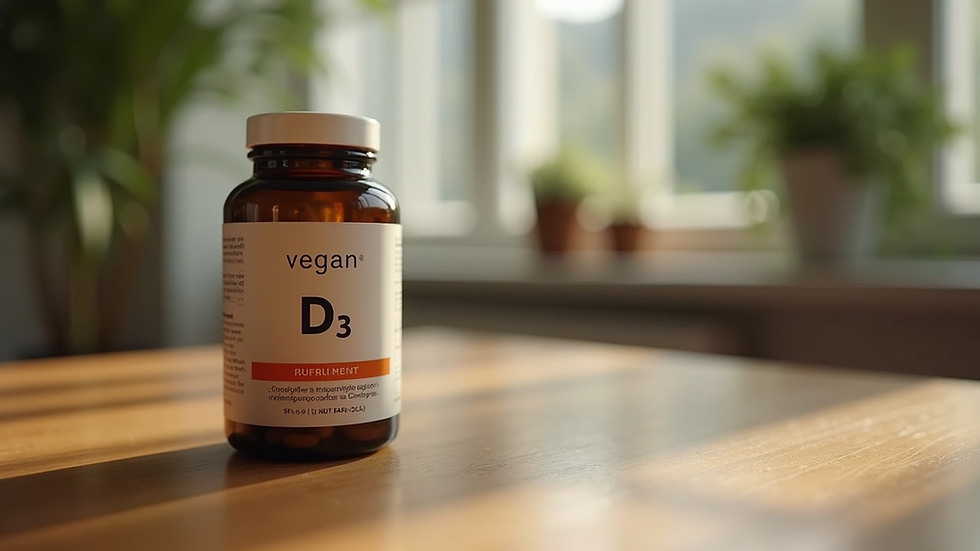
Consider Supplements Over-the-counter vitamin D supplements provide a reliable method for achieving daily requirements. They are particularly useful in climates where sunlight might be scarce during colder months.
Optimize Indoor Living If you're in a high-rise urban area, consider light therapy lamps designed to emit vitamin D-friendly wavelengths to support your health.
Plan Outdoor Activities Regular walks or outdoor exercises not only promote vitamin D synthesis but also support overall well-being.
Seek Local Guidance Consult with healthcare professionals at local clinics or nutrition centers to tailor recommendations that match your lifestyle and geographic needs.
What Factors Influence Your Vitamin D Needs?
Your vitamin D requirements can vary based on factors such as age, skin exposure to sunlight, and geographical location. For example, residents in regions with long winters or dense urban areas may need extra supplementation to maintain healthy levels.
How Safe Is Vitamin D Supplementation?
Supplementing vitamin D, when done according to recommended guidelines, is generally safe. It’s important to follow dosage instructions and consult a healthcare professional, particularly if you are also taking other supplements or medications.
What’s the Best Way to Monitor Levels?
Monitoring vitamin D levels can be achieved through regular blood tests. This diagnostic tool helps determine if your levels are within the optimal range and can guide appropriate adjustments in your supplementation routine.
Can Vitamin D Supplementation Complement Your Diet?
Yes, vitamin D supplements can work alongside a balanced diet to enhance bone health and support the immune system. Prioritizing nutrient-rich meals alongside controlled supplementation is a practical strategy.
What Should You Consider About Seasonal Variations?
Seasonal shifts may impact vitamin D synthesis due to varying sunlight exposure. Individuals in local communities with limited winter sunlight should consider a consistent supplementation plan to offset potential deficiencies.
Final Thoughts on Optimizing Your Vitamin D Levels
As you wrap up your exploration of vitamin D essentials, it becomes clear that consistent, informed choices set the foundation for improved overall health. Adequate vitamin D supports everything from bone strength to immune resilience, ensuring a balanced physical and mental state. In this final section, consider these practical tips as your roadmap to enhanced well-being:
Monitor Your Intake: Regularly evaluate your vitamin D levels through simple home tests or professional assessments.
Incorporate Sunlight Exposure: Aim for moderate, safe sunlight exposure to naturally boost your body’s vitamin D production.
Embrace a Balanced Diet: Complement your supplement regimen with nutrient-rich foods to aid absorption and effectiveness.
Stay Active Locally: Engage with community health initiatives or local wellness groups to stay motivated and informed.
By taking these actionable steps, you can navigate the complexities of vitamin D optimization with confidence. Remember, small improvements today lead to a healthier tomorrow. Stand empowered by the knowledge you’ve gained and use it to explore effective, sustainable ways to enhance your daily nutrition routine—your journey to better health starts now.

Comments